



The Resilience Code
Helping students find the right combination to unlock their resilience.
Life can be tough. We can all get a little stuck sometimes.
straightforward.
Between academic pressure, friendships, social media, expectations and figuring out where they fit in, young people have plenty on their plate.
Mission Australia's 2025 Youth Survey identified school and study pressures, time management and mental health among young people's common sources of stress.
And when there's a lot going on, it's easy to get stuck.
Stuck in self-doubt.
Stuck worrying about what others think.
Stuck not knowing what to do next.
I remember hearing someone say, “Young people have no resilience these days!”
I disagree.
I reckon young people have LOADS of resilience. Way more than we give them credit for. Sometimes they just need a little nudge to recognise it, understand it and tap into it when they need it most.
And outdated narratives like “toughen up,” “bounce back” or “just think positively” aren’t the type of nudge they respond to.
What if, instead of telling students to be more resilient, we helped them unlock the resilience they already have?
Navigating School
years is anything but
That's where
The Resilience Code comes in.
A practical, engaging approach that helps students:

Understand themselves
Recognise their strengths and what shapes their identity.

Get curious about their thinking
Question assumptions and consider different perspectives.

Recognise their choices
Focus on what they can control or influence and find a useful next step.
Resilience isn't about never getting stuck. It's
about learning how to move forward when you do.


01 — IDENTITY
Who am I?
Helping students understand themselves, recognise their strengths and look beyond comparison and other people's expectations.
What do I know about myself that might help?


03 — RESPONSES
What could I do next?
Helping students recognise what they can control or influence, consider their options and choose a useful next step, including asking for support.
What's a useful next step?
02 — BELIEFS
What am I telling myself?
Helping students recognise how their thoughts, assumptions and interpretations can influence how they feel and respond.
Is there another way to look at this?
Three Parts. One Code.
Our first response isn't always our best response.
When things don't go to plan, how we see ourselves and interpret what's happening can influence what we do next.
A SHARED LANGUAGE FOR THE SCHOOL COMMUNITY
Three simple questions that meaningful responses
IDENTITY: What do I know about myself that might help?
BELIEFS: What am I telling myself, and what else could be true?
RESPONSES: What's the most useful next step?
A framework students and teachers can return to when challenges arise, long after the presentation ends.


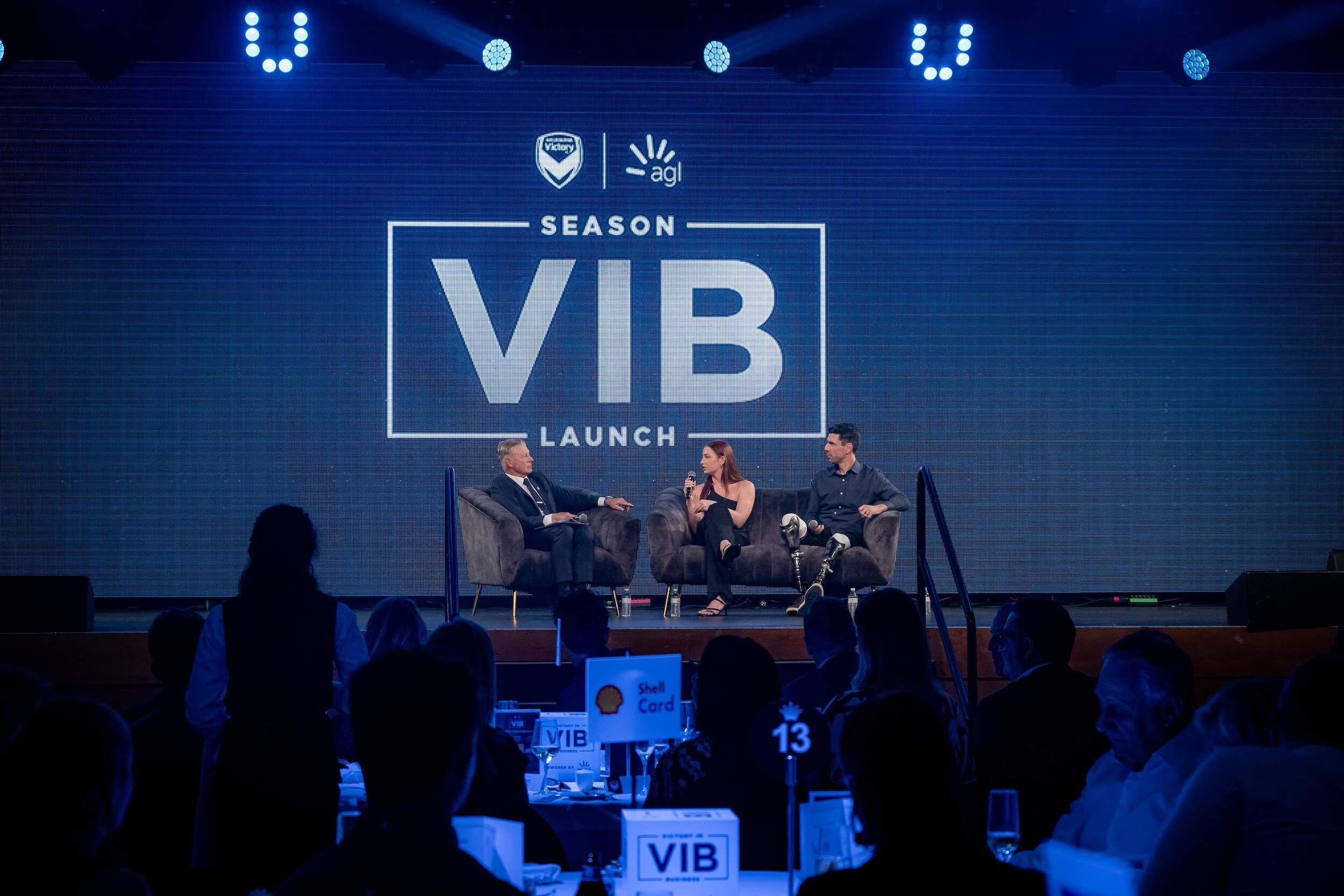
Real stories. Big laughs. Practical takeaways.
Using a mix of humour, storytelling and real-life experiences, Mike invites students to lean in, challenge their thinking, and introduce practical ideas that help when life gets difficult.
The goal isn't just to leave students motivated or inspired. It's to give them something they can use.
Depending on the school's needs, the program can include:
Face-to-face presentations for individual year levels or larger student groups.
Online follow-up sessions to revisit and build on key ideas.
Student resources short videos and workbooks to support ongoing learning.
Staff professional development helping teachers reinforce the framework.
Parent education sessions bringing the conversation into the home.
From a single presentation to a more sustained learning experience, the program can be tailored to each school.

HOW IT WORKS
Engage first. Empower second.

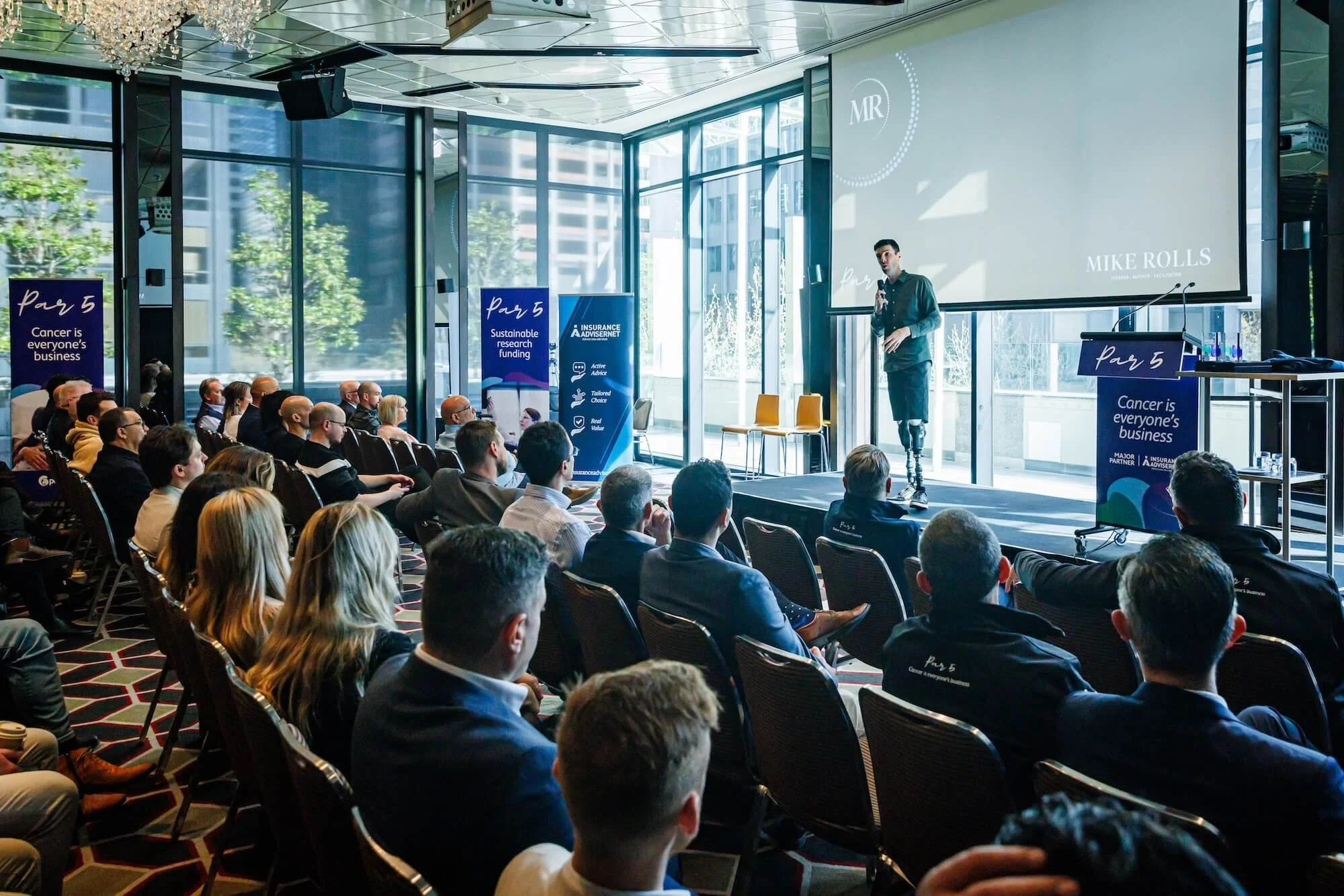
Connected To What Schools Are Already Teaching
The Resilience Code is designed to complement existing school wellbeing approaches, with connections to the Australian Curriculum:
-
Wellbeing, relationships, coping strategies and help-seeking.
-
Self-awareness, identity, relationships and managing responses.
-
Questioning assumptions, considering alternatives and reflecting on decisions.
The approach also complements the principles of the Australian Student Wellbeing Framework.
Designed to support a school's existing wellbeing approach, not replace it.
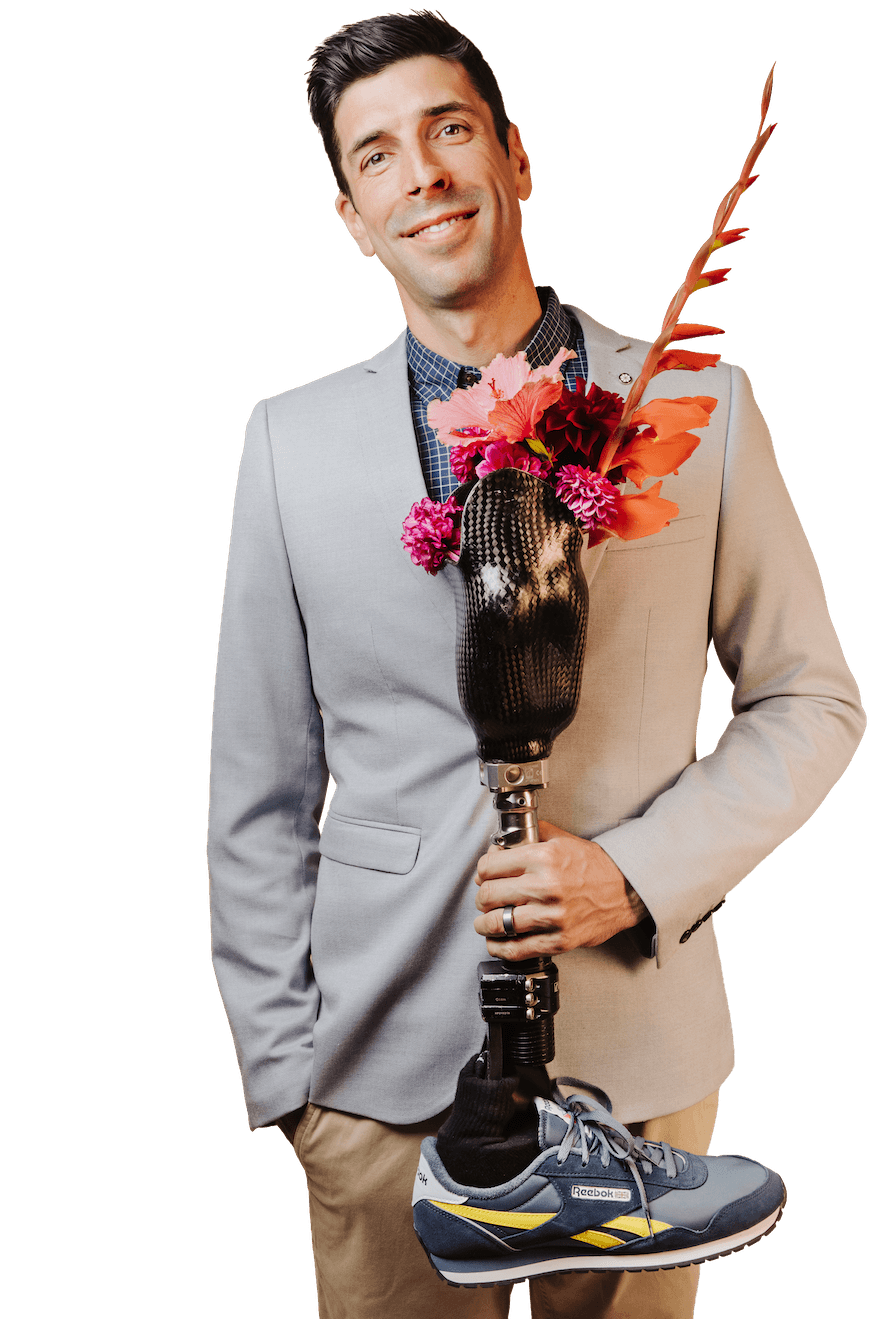

“Because what happens to us doesn't have to define us. Neither do other people's opinions or our first reaction when things go wrong.”
Why Mike Rolls?
Lived experience. Practical insights. A different conversation about resilience.
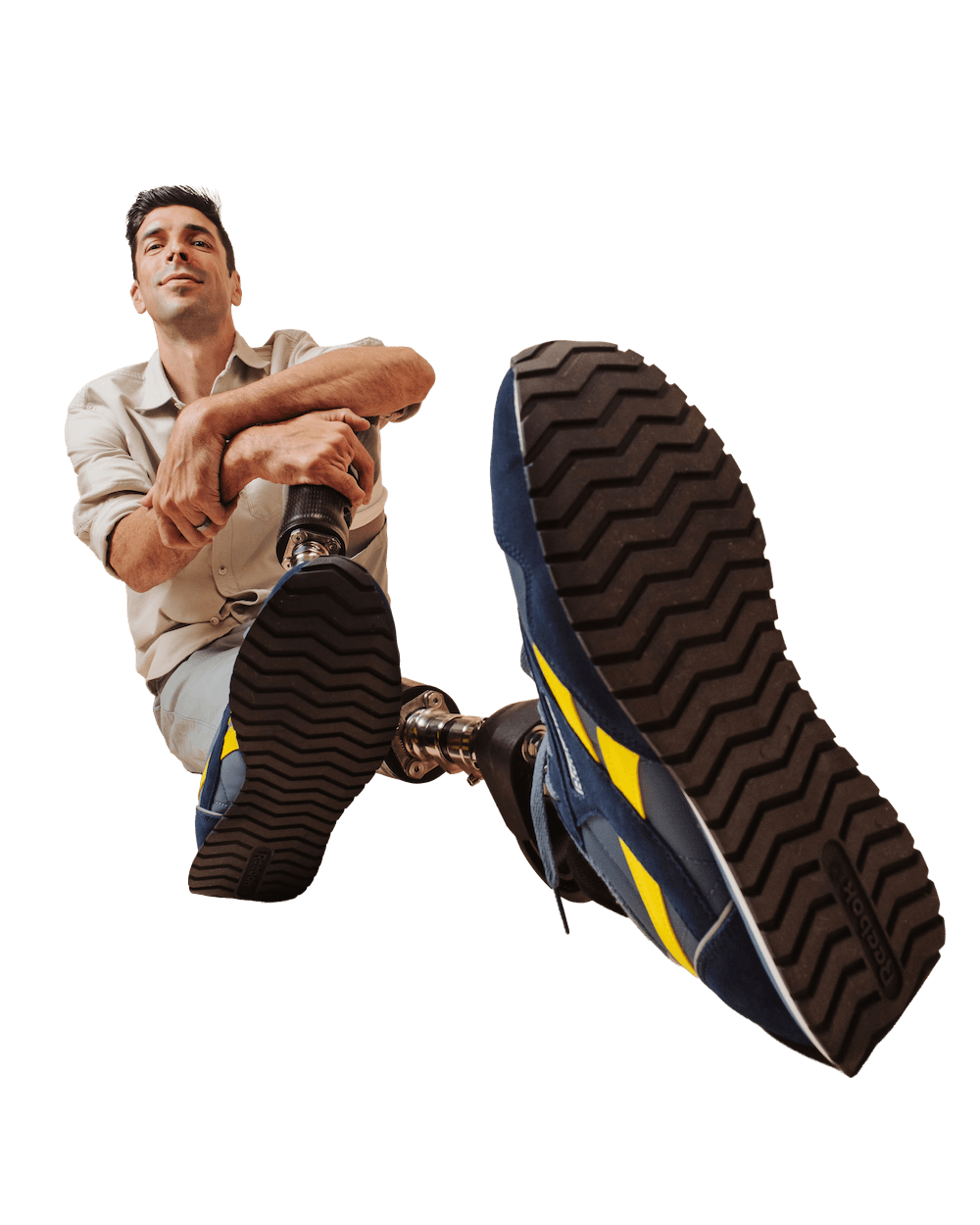
At 18, Mike Rolls' life changed forever after surviving a rare disease that resulted in the loss of both legs. His determination to build a full life beyond an unthinkable event is at the heart of his story — one of discovery, belief and the power of choice.
Mike's mantra: “We don't always get to choose what happens in life, but we can always choose how we respond.”
A proud husband and father, professional speaker, qualified counsellor and passionate disability advocate, Mike has spent more than a decade working with students, teachers and parents across Australia and New Zealand.
With well over 1,000 school presentations to date, his approach is refreshingly straightforward. No toxic positivity. No pretending everything will be okay. No telling students to simply toughen up. And definitely no “just believe in yourself” motivational fluff. Instead, students are invited to laugh, reflect, challenge their thinking and imagine new possibilities through life's ups and downs.
The Resilience Code helps students recognise that they can have a say in how they respond and what they do next.
What People Say
What People Say

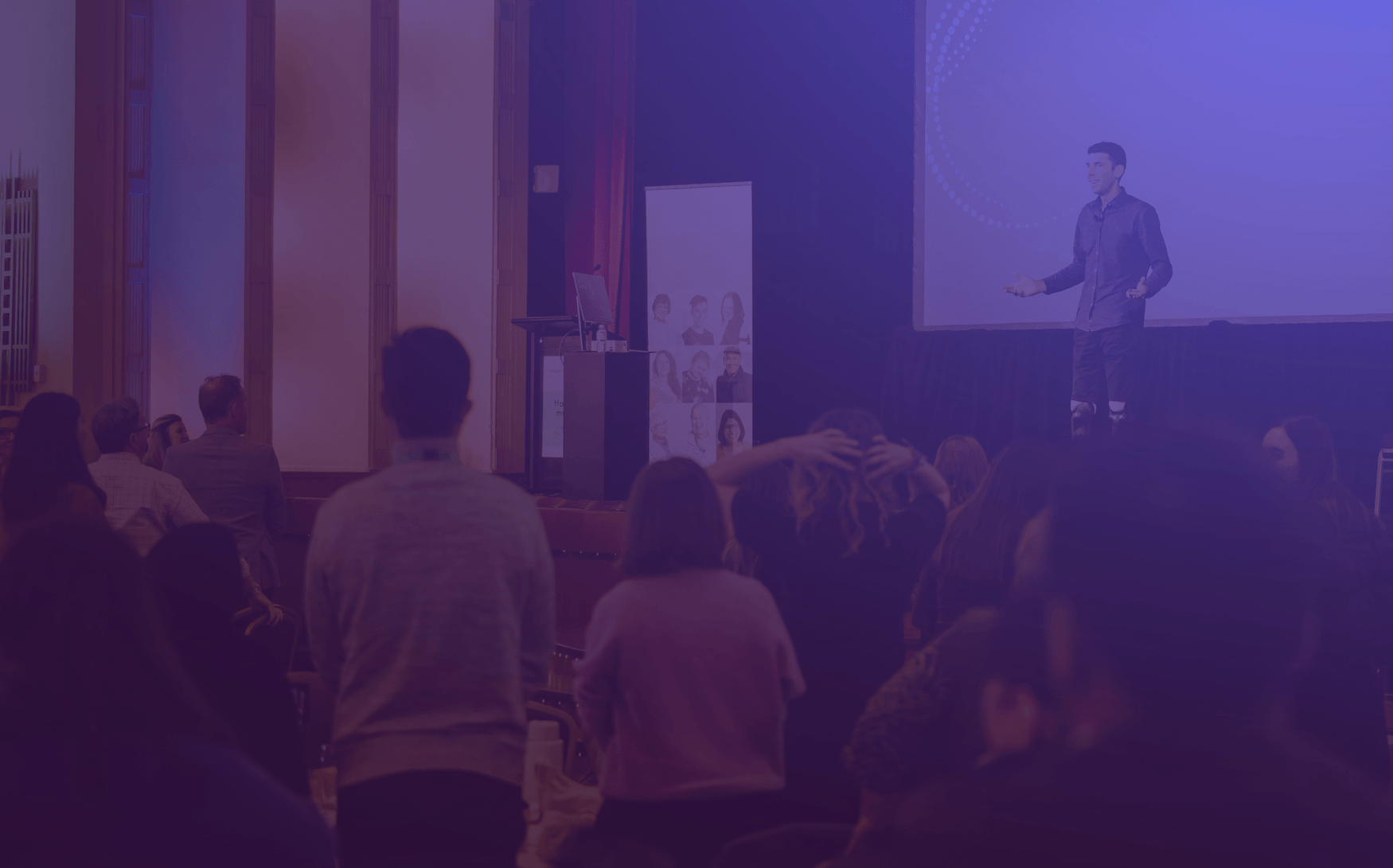
Bring The Resilience Code To Your School
One powerful presentation or an ongoing learning experience. Let's find the right fit for your students and school community.